

Paver Patios: The Ultimate Guide to Design and Installation
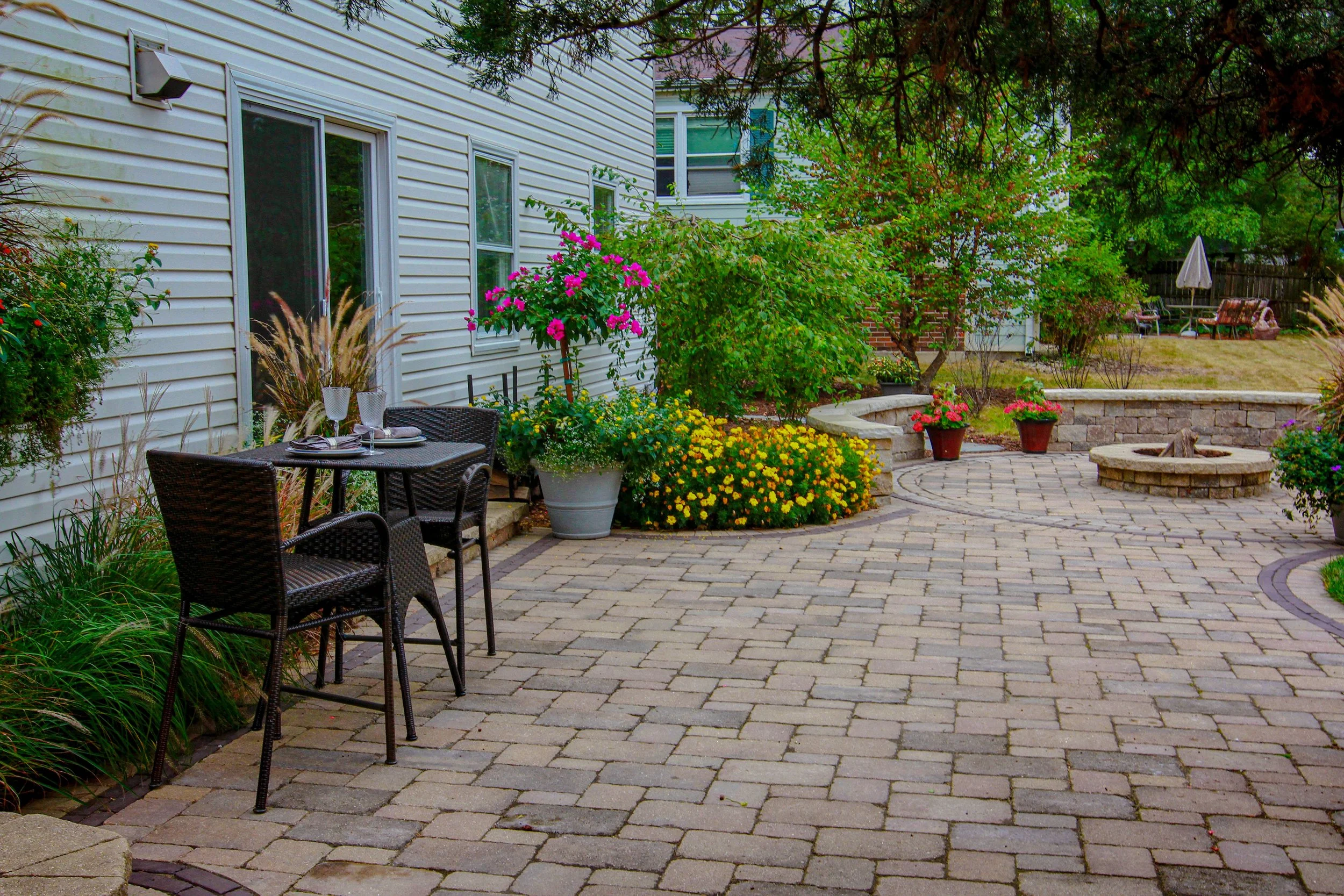
Paver patios are a popular choice for creating outdoor living spaces that are both functional and visually appealing. If you're considering adding a paver patio to your home, this ultimate guide will provide you with all the information you need to know about the design and installation process.
Understanding Paver Patios
What are Paver Patios?
Paver patios are outdoor spaces that are constructed using interlocking pavers made from various materials such as natural stone, concrete, or brick. These pavers are designed to be durable, low-maintenance, and able to withstand the elements.
When it comes to paver patios, the possibilities are endless. You can choose from a wide variety of materials, each offering its own unique characteristics and aesthetic appeal. Natural stone pavers, for example, add a touch of elegance and sophistication to any outdoor space. Their natural colors and textures create a warm and inviting atmosphere, perfect for hosting gatherings or simply enjoying a quiet evening outdoors.
On the other hand, concrete pavers provide a more modern and sleek look. With their clean lines and smooth surfaces, they can give your patio a contemporary feel. Concrete pavers are also highly durable and resistant to wear and tear, making them a practical choice for high-traffic areas.
Brick pavers, on the other hand, offer a timeless and classic look. Their rustic charm and rich colors can instantly transform your patio into a cozy and inviting space. Whether you prefer a traditional or a more modern design, brick pavers can easily adapt to your style.
Benefits of Choosing Paver Patios
There are several benefits to choosing paver patios over traditional concrete or wooden patios. Paver patios are highly customizable, allowing you to create a unique design that complements your home's architecture and personal style. With the wide range of materials, colors, textures, and patterns available, you can unleash your creativity and design a patio that truly reflects your personality.
But the benefits of paver patios go beyond aesthetics. One of the key advantages is their longevity. Unlike concrete, which can crack over time, pavers are designed to withstand the test of time. They are resistant to shifting and settling, ensuring that your patio remains intact for years to come.
Another advantage of paver patios is their excellent drainage properties. The spaces between the pavers allow water to seep through, preventing it from pooling on the surface. This is especially important during heavy rainfall, as it helps to prevent slip and fall accidents. With a properly installed paver patio, you can enjoy your outdoor space without worrying about safety hazards.
Furthermore, paver patios require minimal maintenance. Unlike wooden decks that need regular staining or sealing, pavers only require occasional cleaning to keep them looking their best. This makes them a convenient and hassle-free option for homeowners who want to spend more time enjoying their outdoor space and less time on maintenance tasks.
Lastly, paver patios offer great versatility when it comes to design options. Whether you prefer a simple and understated look or a bold and intricate pattern, pavers can accommodate your vision. You can mix and match different colors and textures to create a unique and eye-catching design that will impress your guests.
In conclusion, paver patios are a fantastic choice for anyone looking to enhance their outdoor living space. With their durability, customization options, excellent drainage, low maintenance, and versatility, paver patios offer a long-lasting investment that will transform your backyard into a beautiful and functional oasis.
Materials Used in Paver Patios
When it comes to creating a beautiful and functional patio, choosing the right materials is essential. Paver patios have become increasingly popular among homeowners, thanks to their versatility and durability. In this article, we will explore some of the most commonly used materials in paver patios, including natural stone pavers, concrete pavers, and brick pavers.
Natural Stone Pavers
Natural stone pavers, such as limestone, slate, or travertine, are a popular choice for homeowners looking to create a sophisticated and timeless patio. These pavers offer unrivaled beauty and elegance, with their unique patterns and colors that can add a touch of luxury to any outdoor space. Natural stone pavers are also known for their durability, making them a long-lasting investment for your patio.
One of the advantages of natural stone pavers is their ability to withstand extreme weather conditions. Whether it's scorching heat, heavy rain, or freezing temperatures, these pavers can handle it all without losing their charm. Additionally, natural stone pavers are slip-resistant, making them a safe option for families with children or elderly individuals.
However, it's important to note that natural stone pavers can be more expensive than other options. The cost is justified by their exceptional quality and aesthetic appeal, but it's essential to consider your budget before making a decision.
Concrete Pavers
If you're looking for a cost-effective option that doesn't compromise on style and durability, concrete pavers are an excellent choice. These pavers can be designed to mimic the appearance of natural stone, brick, or even wood, offering a wide range of design possibilities for your patio.
Concrete pavers are known for their strength and ability to withstand heavy loads, making them ideal for driveways or areas that will experience high traffic. They are also resistant to cracking and fading, ensuring that your patio will maintain its beauty for years to come.
Another advantage of concrete pavers is their low maintenance requirements. Unlike natural stone pavers that may require sealing or periodic cleaning, concrete pavers are relatively easy to maintain. Regular sweeping and occasional power washing are usually enough to keep them looking their best.
Brick Pavers
Brick pavers are a classic choice that lends a charming and rustic look to any patio. These pavers are available in various colors and can be laid in a variety of patterns, allowing for endless design possibilities. Whether you prefer a traditional herringbone pattern or a more intricate basket weave, brick pavers can bring your vision to life.
In addition to their aesthetic appeal, brick pavers are known for their durability. They can withstand heavy foot traffic and are resistant to cracking and fading. This makes them an excellent choice for patios that will be frequently used for entertaining or relaxing.
Another advantage of brick pavers is their ability to absorb and release heat. This natural thermal property makes brick pavers comfortable to walk on even during hot summer days, as they stay cooler than other materials.
When it comes to maintenance, brick pavers are relatively low maintenance. Regular sweeping and occasional resealing are typically all that's needed to keep them in top condition.
In conclusion, choosing the right materials for your paver patio is crucial for creating a beautiful and durable outdoor space. Whether you opt for the timeless elegance of natural stone pavers, the versatility of concrete pavers, or the rustic charm of brick pavers, you can't go wrong. Consider your budget, desired aesthetic, and maintenance preferences to make an informed decision that will enhance your patio for years to come.
Designing Your Paver Patio
Choosing the Right Design
When designing your paver patio, consider the size and shape of your outdoor space, as well as how you plan to use the patio. Think about factors such as seating areas, dining spaces, and any other features you may want to incorporate. Sketch out multiple design options and consider consulting with a professional to ensure the best use of your space.
"ncorporating Patio Features
A well-designed paver patio can include various features to enhance its functionality and aesthetics. Consider adding features such as a fire pit, outdoor kitchen, water feature, or pergola. These features can create a focal point and add a touch of luxury to your outdoor space.
Selecting the Right Paver Color and Texture
The color and texture of the pavers you choose will have a significant impact on the overall look of your patio. Consider the style of your home and its surroundings when selecting paver colors. Opt for lighter colors to create a more spacious and open feel, or darker shades for a more dramatic look. Texture-wise, you can choose between smooth, textured, or tumbled pavers, depending on your personal preference.
Installation Process of Paver Patios
Preparation Stage
Proper preparation is crucial for a successful paver patio installation. This involves excavating the area, removing any existing materials, and preparing a stable base. The base should consist of properly compacted gravel or sand, ensuring proper drainage and preventing shifting or sinking of the pavers.
Laying the Pavers
Once the base is prepared, it's time to lay the pavers. Start from one corner and work your way out, ensuring each paver is level and properly aligned with adjacent pavers. Use a rubber mallet or a mechanical compactor to firmly set the pavers into place.
To create a strong and stable patio, install edge restraints along the perimeter of the patio to prevent the pavers from shifting over time. Fill the joints between the pavers with fine sand or polymeric sand, which will help lock the pavers in place and prevent weed growth.
Finishing Touches
Once the pavers are laid, add the finishing touches to your patio. This can include sealing the pavers to enhance their color and protect against stains, applying edge restraint sealants, and adding landscape lighting to highlight the beauty of your patio during the evening hours.
By following these steps, you can create a stunning paver patio that will not only enhance your outdoor living space but also increase the overall value of your home. Whether you choose natural stone, concrete, or brick pavers, the design and installation process will result in a patio that you can enjoy for years to come.
