

How to Prevent Rodents in Your Yard and Around Your Home
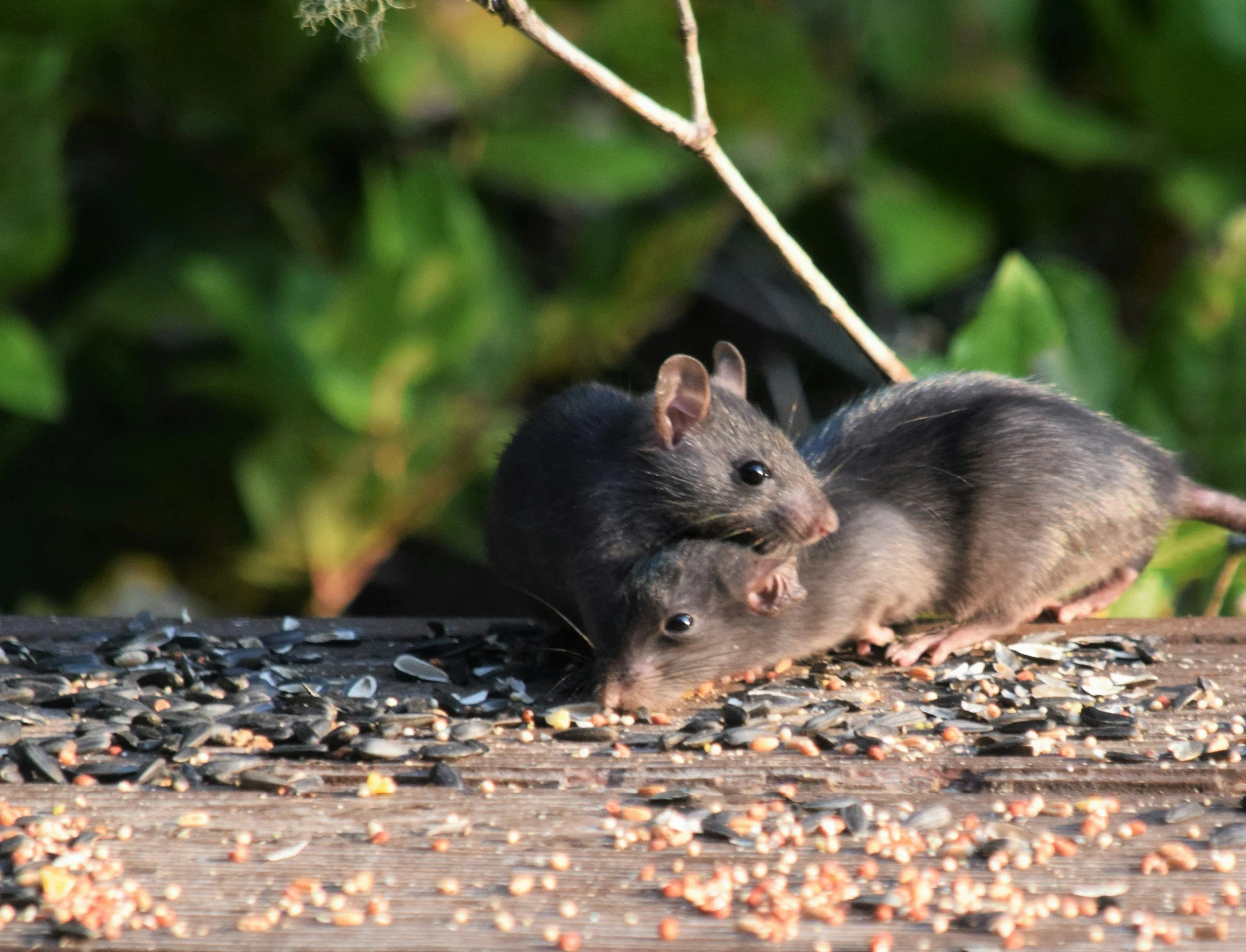
4 WAYS TO PREVENT RODENT PROPERTY DAMAGE
Rodent activity is becoming more common in both residential landscapes and homes. As temperatures drop, mice and other small animals begin searching for warmth, shelter, and food sources.
What starts as minor activity in your yard can quickly turn into burrowing damage, plant loss, and even entry into your home.
The good news is that most rodent issues can be reduced or prevented with a few proactive steps.
Why Rodents Are Drawn to Your Property
Rodents are not random. They are looking for environments that provide:
Shelter from weather
Easy access to food
Safe areas to nest and burrow
Landscapes that are overgrown or cluttered naturally create ideal conditions for them to settle in.
1. Remove Debris from Your Landscape
One of the most common attractants is leftover organic material.
Leaves, plant debris, and unmanaged areas around your home create insulation and cover that rodents use to hide and build tunnels.
Pay close attention to:
Planting beds
Areas along the foundation
Lawn edges
Around retaining walls, stoops, and ponds
If you have ever noticed winding, raised lines in your lawn in early spring, those are tunnels created under the snow during winter.
Keeping your landscape clean and clear removes one of the easiest entry points for rodent activity.
2. Keep Landscaping Trimmed and Maintained
Overgrown landscaping creates direct pathways to your home.
Trees with low branches can act as bridges to your roof, while dense shrubs near the foundation provide cover for rodents to move unnoticed.
For better protection:
Trim shrubs away from the house
Maintain proper spacing between plants
Prune trees to eliminate access points
A good rule of thumb is to evaluate your landscape at least three times per year to stay ahead of growth.
3. Seal Entry Points Around Your Home
Even small openings can allow rodents to enter.
Common problem areas include:
Gaps under doors
Openings near the foundation
Where the foundation meets the sill plate
Utility entry points
The most effective way to address these is from inside your home, such as a basement or crawl space, where gaps are easier to identify.
Use materials like steel or copper wool to seal openings, as rodents cannot easily chew through them.
4. Use Peppermint Oil as a Natural Deterrent
Peppermint oil is a simple, natural way to discourage rodents from settling in specific areas.
To apply:
Soak cotton balls in 100% peppermint oil
Place them in areas where activity is present or likely
Focus on locations such as:
Around the foundation
Near retaining walls and walkways
Around sheds and outdoor structures
In planting beds and near ornamental grasses
Keep in mind that peppermint oil has a strong scent. Wearing gloves during application is recommended.
Protecting Your Home and Landscape Long Term
Rodent prevention is less about reacting and more about consistency.
By keeping your landscape maintained, eliminating hiding spots, and addressing entry points early, you can significantly reduce the likelihood of damage.
These small steps protect not only your plants and lawn, but also the structure of your home.
Need Help Maintaining a Clean, Well-Managed Landscape?
At Bret-Mar Landscape, maintenance and design are approached with long-term performance in mind. A well-maintained property is not only more attractive, it is also less vulnerable to common issues like rodent activity.
If your landscape has become overgrown or difficult to manage, a professional plan can help restore both function and appearance.
