

4 Plants To Attract Hummingbirds
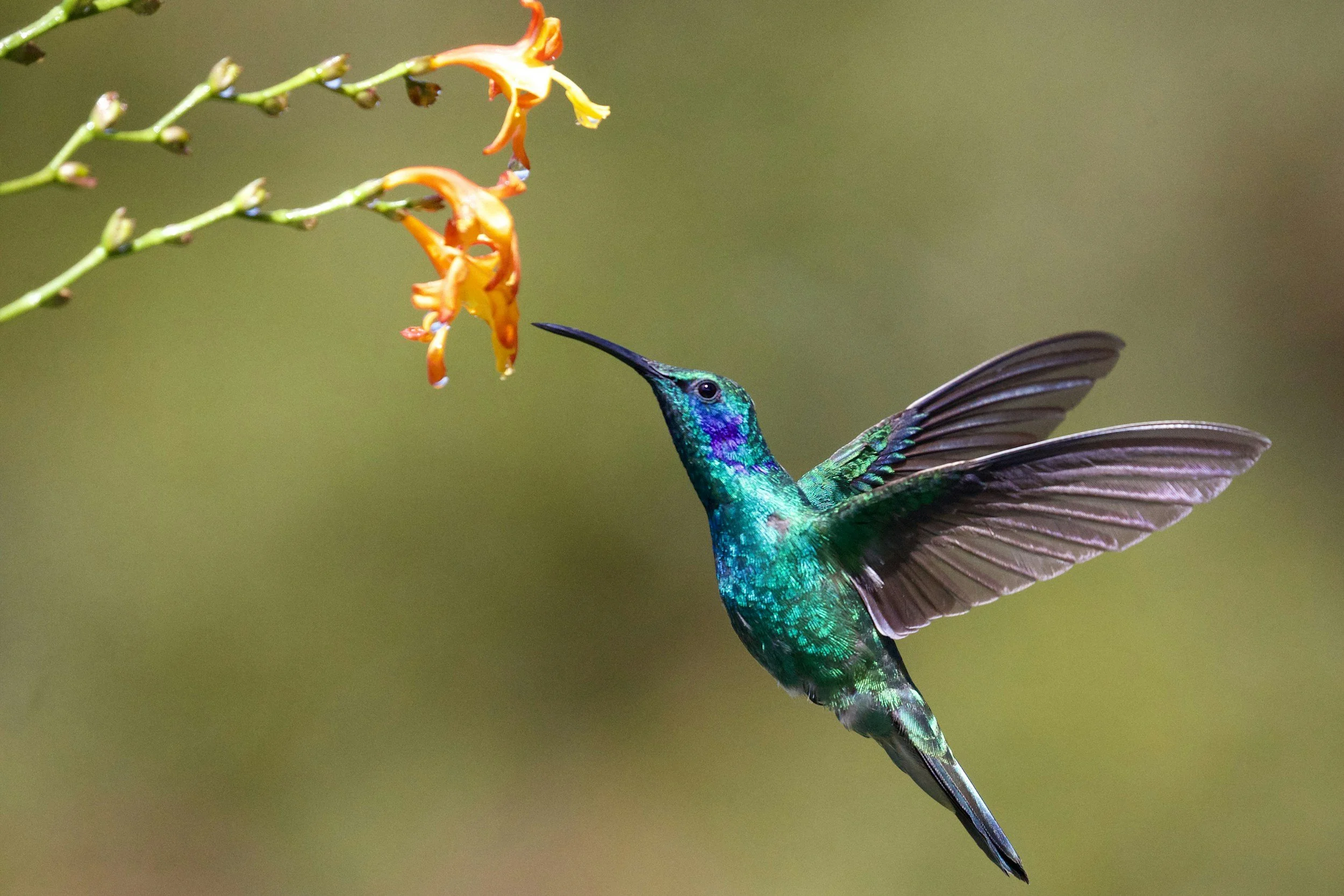
Best Plants to Attract Hummingbirds to Your Garden
Adding movement and life to your landscape does not always require a major redesign. Sometimes, it starts with choosing the right plants.
If you enjoy seeing hummingbirds in your yard, the key is understanding what draws them in. With the right plant selection, you can create a space that naturally attracts them throughout the growing season.
Why Hummingbirds Are Drawn to Certain Plants
Hummingbirds are attracted to flowers that provide a reliable food source. Most hummingbird-friendly plants share one important characteristic: their blooms are tubular in shape.
This shape allows their long, narrow beaks to access nectar easily. When plant and bird are aligned like this, it creates a consistent and natural feeding environment.
Hummingbirds also require frequent nourishment. Because they feed almost continuously, they are more likely to return to areas where food is readily available.
Top Plants That Attract Hummingbirds
The following plants are well-suited for Midwest landscapes and provide consistent color, structure, and pollinator activity.
Hibiscus ‘Holy Grail’
This bold, tropical-looking perennial makes an immediate impact in the landscape.
Large red flowers, 8 to 10 inches wide
Fast-growing, cut back and regrows each season
Height: 4 to 4.5 feet
Spread: 4.5 to 5 feet
Zone: 4 to 9
Light: Part sun to full sun
The bright red blooms act as a strong visual signal for hummingbirds, making this one of the most effective plants for attracting them.
Russian Sage ‘Denim ‘n Lace’ (Perovskia atriplicifolia)
Russian sage offers both visual softness and long-lasting seasonal interest.
Airy purple-blue blooms
Fragrant foliage
Blooms mid to late summer
Height: 28 to 32 inches
Spread: 34 to 38 inches
Zone: 4 to 9
Light: Part sun to full sun
The volume of blooms provides a steady food source when hummingbirds are most active.
Miss Kim Lilac (Syringa pubescens subsp. patula)
A compact, well-loved shrub known for its fragrance and spring blooms.
Dense clusters of pink to purple flowers
Slow-growing, manageable size
Height: 4 to 5 feet
Spread: 4 to 5 feet
Zone: 4 to 8
Bloom time: Spring
Light: Part sun to full sun
This variety works well in residential landscapes where space is limited but seasonal impact is still important.
Bee Balm ‘Pardon My Cerise’ (Monarda didyma)
A smaller perennial that delivers strong pollinator value.
Pinkish-red blooms
Blooms mid to late summer
Attracts hummingbirds, bees, and butterflies
Height: 14 to 18 inches
Spread: 10 to 12 inches
Zone: 4 to 8
Light: Part sun to full sun
This plant performs best with consistent moisture and average to fertile soil.
How to Keep Hummingbirds Coming Back
Attracting hummingbirds is only part of the goal. Keeping them in your landscape requires a steady food supply throughout the season.
By selecting plants with staggered bloom times, you create a continuous source of nectar from spring through late summer.
If plant coverage is limited, feeders can supplement natural sources. However, timing matters. Feeders should be removed as hummingbirds begin their migration to avoid disrupting natural patterns.
Creating a Landscape That Supports Wildlife
Planting with intention does more than enhance visual appeal. It creates an environment that supports pollinators and adds movement and interest to your outdoor space.
The plants listed above are all hardy in Zone 4 and return year after year, making them a reliable foundation for a hummingbird-friendly garden.
Looking to Add More Purpose to Your Landscape?
At Bret-Mar Landscape, plant selection is always approached with both function and long-term performance in mind. Whether you want to attract pollinators, solve problem areas, or create a more cohesive design, the right plan makes all the difference.
