

How to Maximize Small Gardens with Smart Design
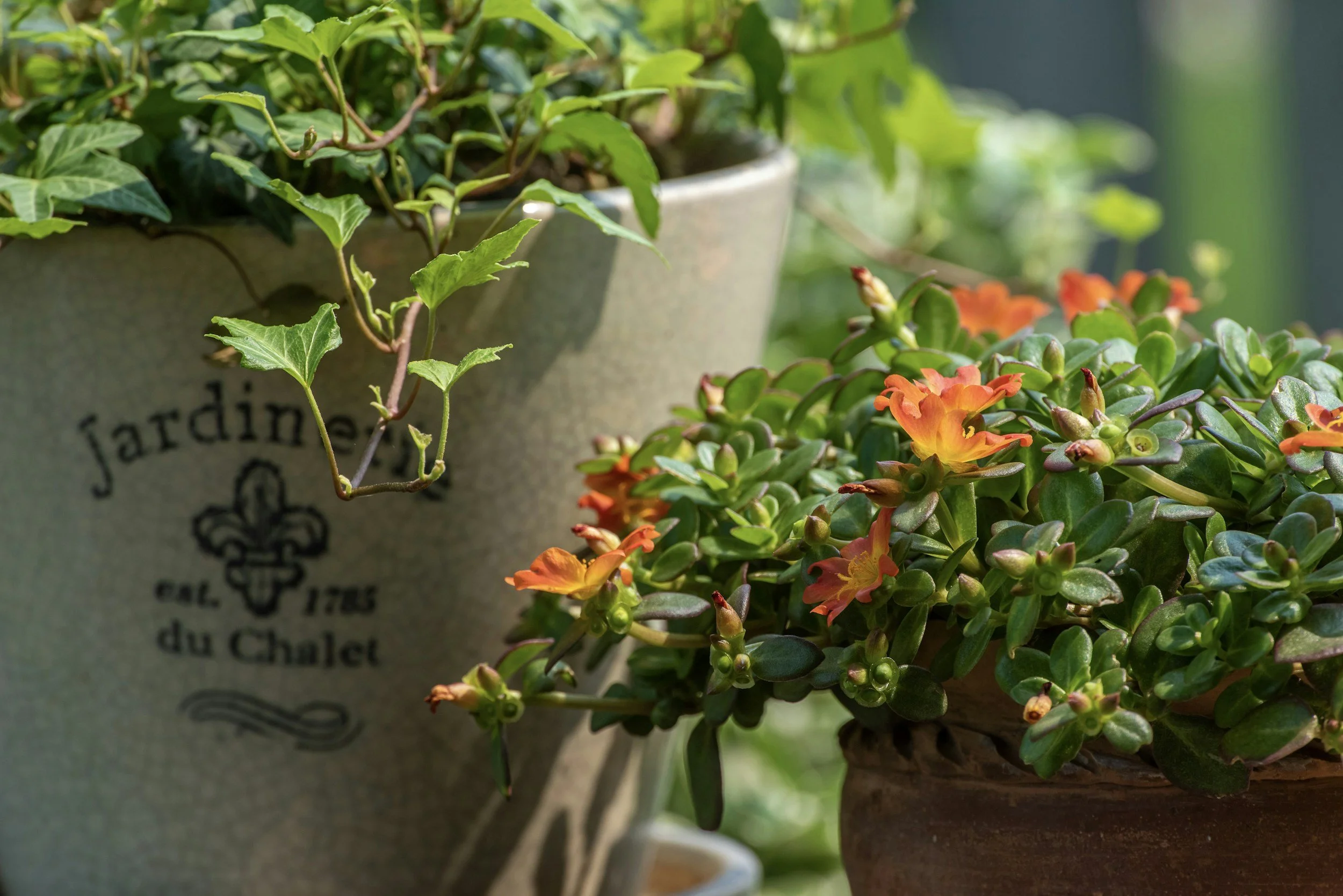
Innovative garden features can completely redefine small outdoor spaces. With the right approach, even limited square footage can become functional, organized, and visually impactful.
By combining vertical design, container gardening, and compact plant selections with thoughtful layout strategies, small yards can feel larger, more usable, and easier to maintain.
At Bret-Mar Landscape, small space design focuses on efficiency without sacrificing appearance. Every element serves a purpose while contributing to a cohesive outdoor environment.
Using Vertical Design to Maximize Small Garden Space
Wall-Mounted Planters for Space-Saving Greenery
Wall-mounted planters free up ground space while creating a clean, modern display of greenery. They support healthy plant growth and are ideal for patios, balconies, and narrow yards.
Trellises and Arbors for Climbing Plants
Trellises and arbors add height while supporting climbing plants. They create natural privacy screens, improve light distribution, and introduce structure without taking up valuable space.
Tiered Planting Beds for Depth and Function
Tiered planting beds allow for multiple layers of planting in a compact footprint. This approach improves drainage and creates the illusion of a larger, more dynamic space.
Hanging Baskets for Overhead Interest
Hanging baskets add greenery above eye level, freeing up planting space below. They are ideal for incorporating flowers and herbs into smaller layouts.
Living Walls for High-Impact Design
Living walls combine vertical planting with strong visual impact. They introduce texture, improve air quality, and create a focal point in tight spaces.
Container Gardening for Flexible Small Space Design
Choosing the Right Containers
Compact, lightweight planters support healthy root systems while maximizing available space. The right container improves both function and layout efficiency.
Grouping Containers for Visual Balance
Arranging containers in clusters creates rhythm and focal points. Mixing sizes and textures results in a more intentional, cohesive design.
Growing Vegetables and Herbs in Small Spaces
Container gardening makes it easy to grow herbs and vegetables in limited areas. It simplifies maintenance while supporting consistent seasonal growth.
Adjusting Containers for Sunlight
Portable containers allow you to reposition plants based on sunlight needs. This flexibility supports healthier growth throughout the season.
Self-Watering Containers for Low Maintenance
Self-watering containers regulate moisture levels and reduce upkeep. They help prevent overwatering and drought stress, making them ideal for busy homeowners.
Choosing Compact Plants for Small Gardens
Dwarf Trees and Shrubs for Structure
Dwarf varieties provide shape and structure without overwhelming the space. They are ideal for smaller yards and container-based designs.
Slow-Growing Plants for Long-Term Control
Slow-growing species reduce the need for frequent pruning and help maintain a clean, organized layout over time.
Groundcover Plants for Efficiency
Groundcovers fill in gaps, suppress weeds, and protect soil. They provide a low-maintenance solution for tight areas.
Narrow Growth Habit Plants
Plants that grow vertically instead of spreading outward maximize space while maintaining clear pathways and structure.
Blending Edible and Ornamental Plants
Incorporating herbs and vegetables into ornamental beds increases functionality while maintaining visual appeal.
Multi-Purpose Features for Small Outdoor Spaces
Built-In Benches with Storage
Seating that includes storage reduces clutter while adding functionality. It is a practical solution for keeping tools and accessories organized.
Fold-Down Tables for Flexible Use
Fold-down tables provide dining or workspace when needed and tuck away when not in use, maximizing available space.
Planters That Double as Privacy Screens
Dual-purpose planters add greenery while creating separation and privacy in compact environments.
Raised Beds with Seating Edges
Raised garden beds with built-in seating combine planting and relaxation in one efficient design element.
Compact Water Features
Small-scale water features add movement and sound without taking up significant space. They enhance the overall atmosphere of the garden.
Smart Storage Solutions for Small Gardens
Slim Storage Sheds
Narrow sheds keep tools organized without taking up unnecessary space.
Wall-Mounted Tool Storage
Wall-mounted systems keep tools accessible while freeing up ground space.
Repurposed Furniture for Storage
Reusing furniture as storage adds character while maintaining functionality.
Hidden Utility Storage
Concealing items like hose reels within planters or benches reduces visual clutter.
Under-Deck and Under-Stair Storage
Using unused space for storage helps keep the garden clean and organized.
Layout Strategies to Make Small Gardens Feel Larger
Creating Defined Zones
Dividing the space into zones improves flow and makes the layout feel more intentional.
Using Mirrors to Expand Space
Mirrors reflect light and greenery, creating the illusion of a larger area.
Designing Clear Pathways
Pathways guide movement and organize the layout, improving both function and visual clarity.
Incorporating Light-Colored Materials
Lighter materials reflect sunlight and brighten smaller spaces, making them feel more open.
Layering Plants for Depth
Using a mix of heights and textures adds dimension and visual interest without overcrowding.
Key Small Garden Features at a Glance
Wall-mounted planters save space and add vertical interest
Self-watering containers reduce maintenance
Under-deck storage maximizes unused areas
These solutions help balance function, organization, and design in compact outdoor spaces.
Creating a Functional and Refined Small Garden
Maximizing a small yard requires thoughtful design and efficient use of space. By combining vertical elements, compact plantings, and multi-purpose features, even the smallest outdoor area can feel complete and highly usable.
At Bret-Mar Landscape, every design is built with long-term performance and visual balance in mind, ensuring that small spaces feel intentional, not limited.
