

Why Perennials Are the Core Foundation of Sustainable Landscape Design
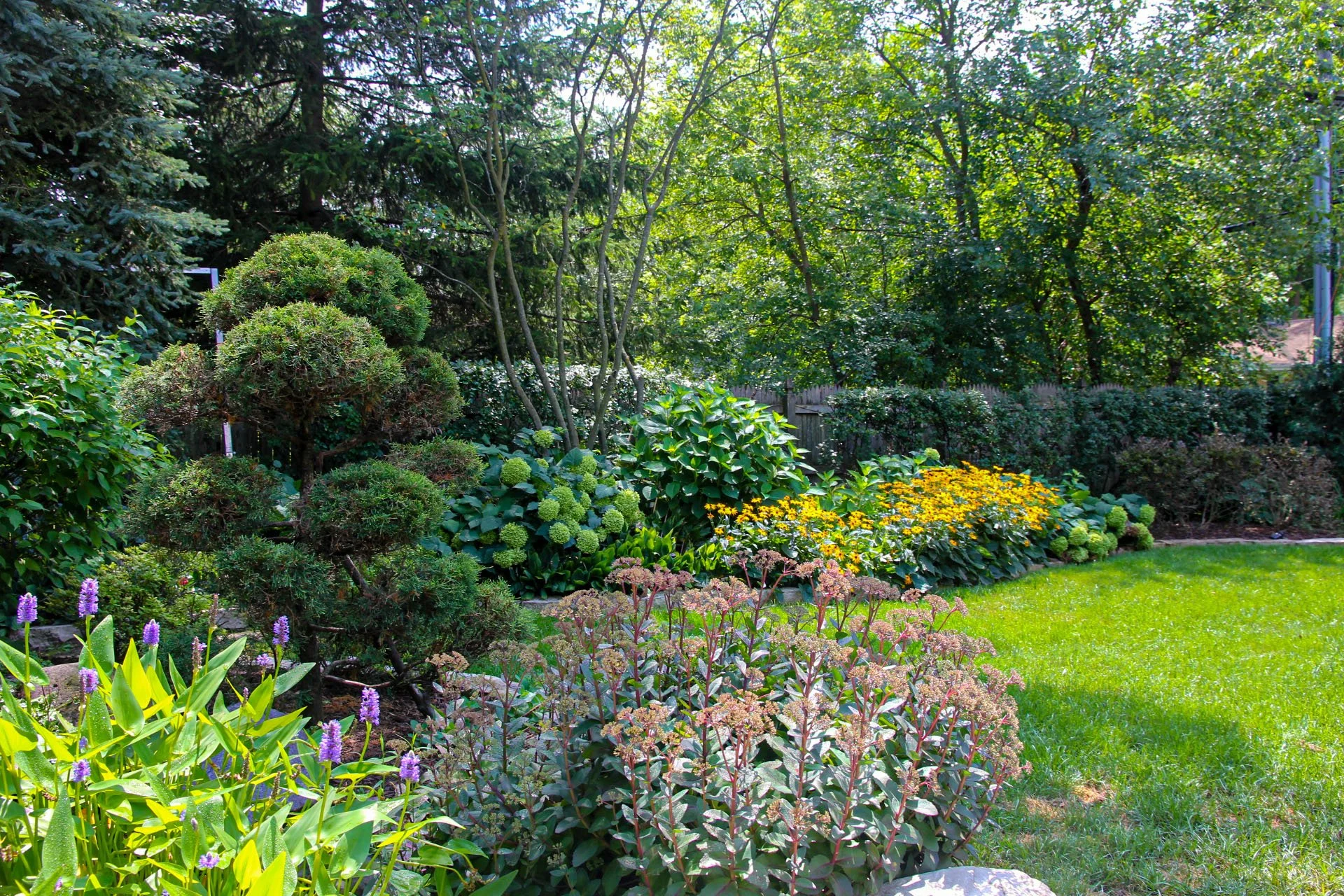
In well-designed landscapes, long-term performance matters just as much as appearance. Perennial plants play a central role in achieving both.
Unlike short-term plantings that require constant replacement, perennials return year after year. They create structure, support ecological balance, and reduce the need for ongoing maintenance.
When used intentionally, perennials form the backbone of a landscape that matures, strengthens, and becomes more refined over time.
What Makes Perennials a Smart Long-Term Investment
Perennials are not just about seasonal color. They are a strategic choice for building landscapes that last.
Key benefits include:
Reduced need for replanting
Improved soil structure through deep root systems
Greater resilience to drought and weather changes
Lower reliance on fertilizers and chemical inputs
By selecting plants suited to the Chicagoland climate, landscapes can adapt naturally to seasonal shifts while maintaining consistent performance.
Designing with Perennials for Structure and Flow
Perennials bring both form and flexibility to landscape design.
At Bret-Mar Landscape, plantings are often layered to create depth and balance:
Ground-level plants like creeping thyme provide coverage
Mid-height perennials like coreopsis add color and movement
Taller varieties like delphinium or clematis create vertical interest
This layered approach improves airflow, maximizes sunlight exposure, and creates a more dynamic visual experience throughout the season.
Perennials are also used to soften hardscape elements such as patios, walkways, and retaining walls, helping transition built features into the surrounding landscape.
Supporting Pollinators and Local Ecosystems
A well-planned perennial landscape does more than look good. It actively supports the environment.
Plants like rudbeckia, echinacea, monarda, and aquilegia provide consistent food sources for pollinators such as bees, butterflies, and hummingbirds.
In addition, perennials help attract beneficial insects that naturally control pests. This reduces the need for chemical treatments and supports a more balanced ecosystem.
Incorporating herbs such as thyme, chives, and basil further enhances biodiversity while adding practical value to the landscape.
Improving Soil Health and Water Management
Healthy soil is essential for long-term landscape success, and perennials play a direct role in maintaining it.
Their root systems:
Improve soil structure and aeration
Increase water infiltration
Reduce erosion in sloped areas
Support beneficial microbial activity
Bret-Mar Landscape often incorporates compost and mulch into planting beds to further enhance soil health, regulate temperature, and retain moisture.
For areas with drainage challenges, rain gardens with moisture-tolerant perennials can help manage runoff while adding visual interest.
Creating Four-Season Interest
One of the strongest advantages of perennials is their ability to provide year-round visual value.
Early spring bloomers like hellebore bring the first color of the season
Summer perennials such as rudbeckia and allium deliver peak vibrancy
Fall introduces texture through grasses and seed heads
Winter structure remains through dried stems and evergreen elements
A thoughtfully planned perennial landscape evolves continuously, ensuring that no season feels empty or overlooked.
Blending Edible and Ornamental Planting
Perennials also play a role in edible landscape design.
By combining ornamental plants with edible varieties, homeowners can create spaces that are both functional and visually cohesive.
Examples include:
Integrating herbs like thyme and dill into planting beds
Adding fruiting shrubs such as raspberry or serviceberry
Combining leafy greens with pollinator-friendly perennials
This approach maximizes space while supporting biodiversity and reducing reliance on synthetic inputs.
A Smarter Approach to Landscape Design
Perennial-based landscapes are designed to improve over time, not decline.
They require thoughtful planning, but once established, they offer:
Lower maintenance demands
Greater environmental resilience
Increased property value
A more natural, established appearance
Building Landscapes That Last
At Bret-Mar Landscape, perennials are not an afterthought. They are a foundational element in creating outdoor spaces that are both functional and enduring.
Each design is tailored to the property, taking into account soil conditions, light exposure, and long-term goals. The result is a landscape that supports both the homeowner and the surrounding environment.
