

How to Protect Your Trees from Mower and Trimmer Damage
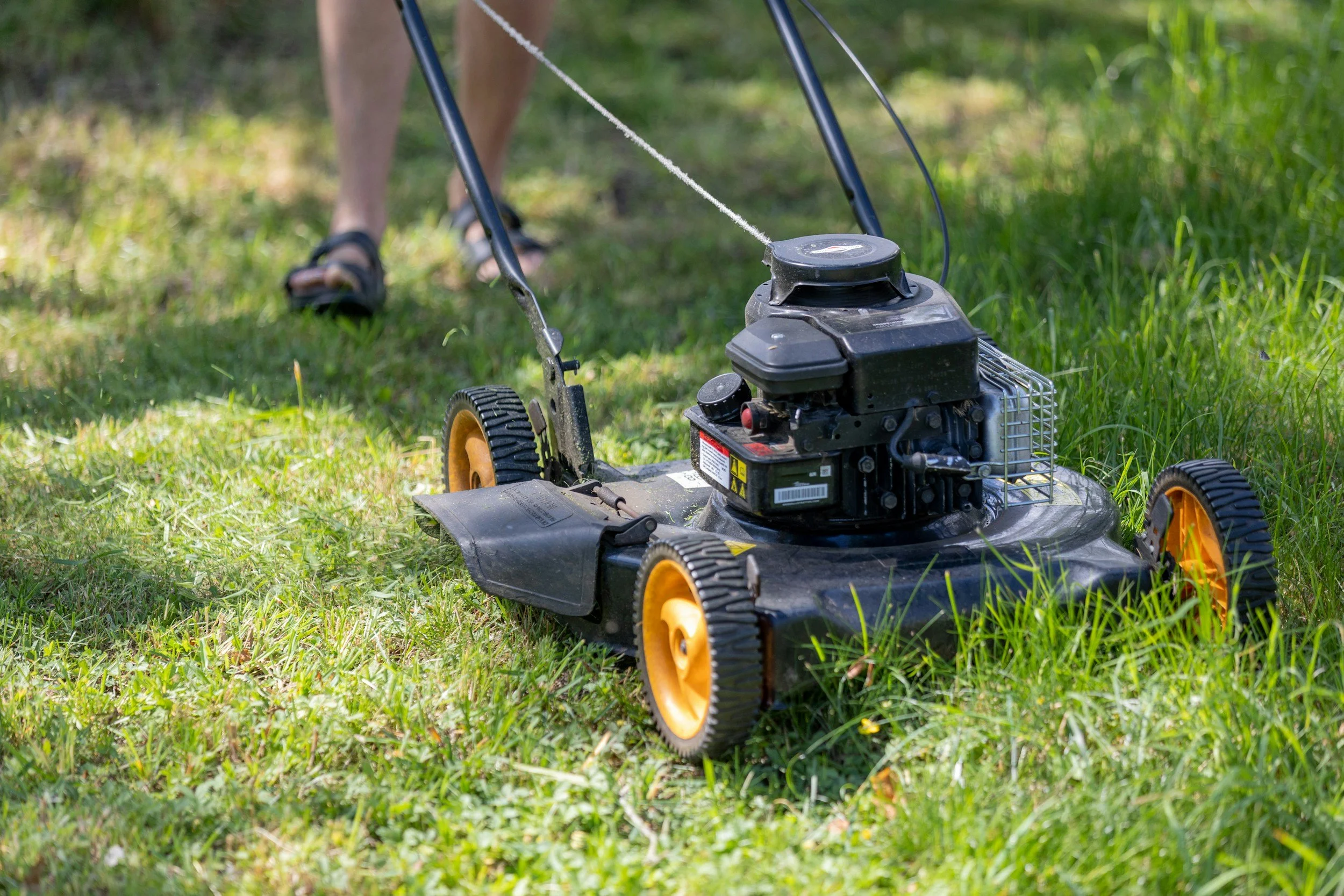
If you’re like most homeowners, mowing and trimming are just part of the weekly routine. But one small mistake during lawn care can lead to long-term damage to your trees.
Mower and string trimmer damage is one of the most common and preventable causes of tree decline. The challenge is that it often happens quickly, almost without noticing, especially when you’re trying to move fast and get the job done.
Understanding how this damage happens and how to prevent it can help you protect your landscape for years to come.
What Causes Tree Damage During Lawn Care?
Tree damage typically occurs when mower blades or string trimmers come into contact with the bark.
This can happen when:
Cutting grass too close to the base of the tree
Trimming around exposed roots
Trying to reach small patches of grass near the trunk
Even light contact can strip away bark, creating a wound that exposes the tree to outside threats.
Why Tree Bark Damage Is a Serious Problem
The wound itself is only the beginning. Once the protective bark is damaged, it creates an entry point for:
Insects
Bacteria
Fungal diseases
Over time, this can lead to structural weakness, poor growth, and in some cases, the loss of the tree entirely.
For mature trees that have taken years to establish, this kind of damage can be especially costly.
The Best Way to Prevent Mower and Trimmer Damage
The most effective solution is creating a protective barrier around your trees.
Install a Mulch or Stone Ring
Adding a mulch bed or decorative stone ring around the base of the tree creates a clear no-mow zone.
This simple step:
Protects the trunk and surface roots
Eliminates the need for close trimming
Helps retain soil moisture
Improves curb appeal
For best results, keep the mulch a few inches away from the trunk to prevent moisture buildup.
Smart Lawn Care Tips to Protect Your Trees
A few small adjustments in your routine can make a big difference:
Avoid mowing directly over tree roots
Keep trimmers at a safe distance from bark
Hand-pull weeds near the base instead of using equipment
Maintain a defined edge around mulch rings
These habits not only protect your trees but also create a cleaner, more intentional landscape design.
Protecting Your Investment
Trees are one of the most valuable features in any landscape. They provide shade, structure, and long-term beauty, but they take years to grow and establish.
Preventing damage during routine maintenance is one of the simplest ways to preserve that investment.
If you’re unsure how to properly protect your trees or want a more polished, low-maintenance solution, professional landscaping can help you design and install the right protective features.
Need Help Protecting Your Landscape?
At Bret-Mar Landscaping, we help homeowners create landscapes that are both beautiful and built to last. From mulch bed installation to full landscape design, we focus on details that protect and enhance your property over time.
Contact us today to schedule a consultation and give your landscape the care it deserves.
