

Garden Maintenance Tips to Keep Your Landscape Looking Its Best
A beautifully designed landscape is one of the most rewarding investments a homeowner can make. But the design is only the beginning. What keeps a landscape looking its best year after year is consistent, thoughtful maintenance that works with the plants, materials, and conditions specific to your property.
At Bret-Mar Landscape, we have been helping homeowners across Homer Glen, Orland Park, Naperville, and the greater Chicagoland area create and care for luxury outdoor environments for over 40 years, and one thing we know for certain is that great maintenance starts with understanding what your landscape actually needs. Here are the tips that make the biggest difference.
Seasonal Pruning and Plant Care
One of the most impactful things you can do for your garden's appearance and health is prune at the right time and with the right technique. Pruning done poorly or at the wrong time of year can stress plants, invite disease, and compromise the shape and structure that makes a garden visually compelling, particularly in the Chicagoland area where the transition between harsh winters and active growing seasons demands precise timing.
Timing Matters More Than Most People Realize
Spring-blooming shrubs in Homer Glen and across the Chicagoland area should be pruned shortly after they flower, not in fall or early spring when you would remove the developing buds. Summer-blooming shrubs can typically be pruned in late winter or early spring before new growth begins. Trees generally benefit from late winter pruning when they are still dormant and the structure of the canopy is easy to assess without foliage in the way.
Ornamental grasses should be cut back in late winter before new growth emerges, an especially important step in Illinois where late-season snow and ice can mat down uncut grasses and cause crown rot. Perennials can be deadheaded throughout the growing season to encourage continued blooming, and many benefit from being cut back in fall to keep garden beds tidy through the Illinois winter.
For Illinois homeowners looking for a reliable pruning guide, the University of Illinois Extension offers research-backed timing recommendations for both trees and shrubs specific to our region, including the reminder not to prune deciduous shrubs in late summer, as that encourages new growth that won't harden off before winter, leaving plants susceptible to frost damage. Of course, if you'd rather leave the timing and technique to the experts, the team at Bret-Mar Landscape, Inc. is here to handle it for you, ensuring every cut is made at the right time, the right way, for the long-term health of your landscape.
Prioritize Plant Health Over Appearance Alone
When we design planting plans for our clients in communities like Homer Glen, Orland Park, and Naperville, we select plants suited to the specific conditions of each property. Ongoing maintenance should honor those choices. Avoid over-pruning, which weakens plants over time, and watch for early signs of pest activity or disease so they can be addressed before spreading.
Related: Creating Seamless Transitions Between Hardscaping and Softscaping
Mulching and Soil Health
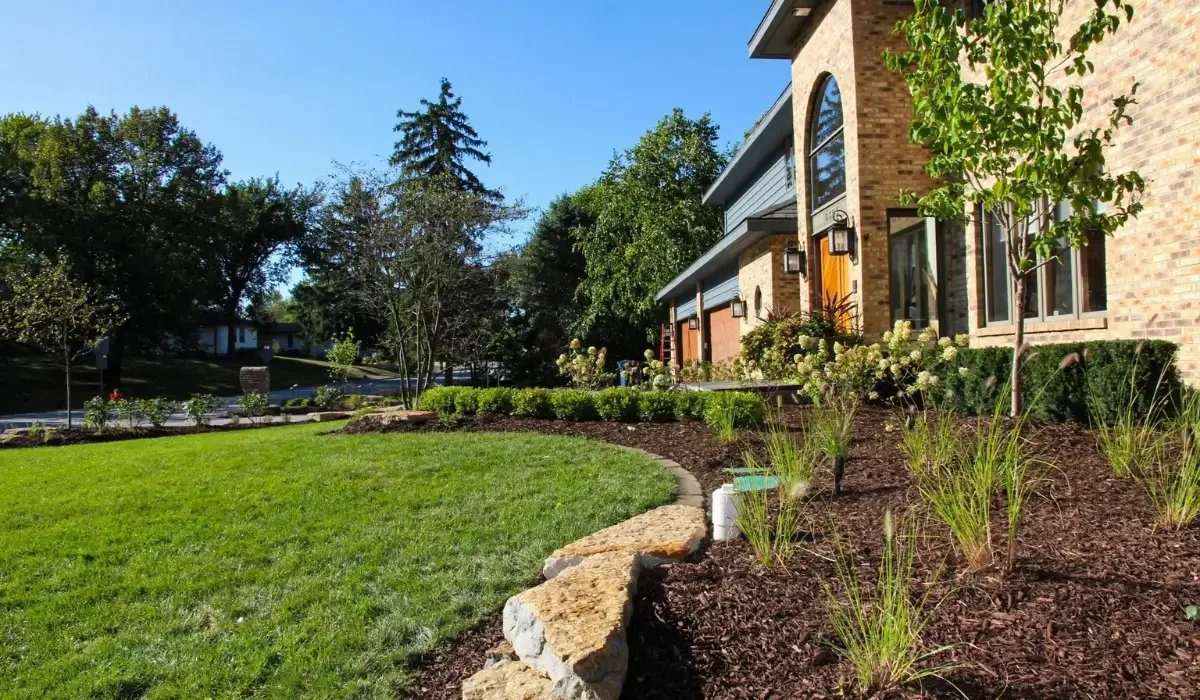
Mulch is one of the most powerful and underutilized tools in garden maintenance. A proper layer of quality mulch applied to planting beds does several things simultaneously: it retains moisture, moderates soil temperature, suppresses weed growth, and adds organic matter to the soil as it breaks down over time.
How to Mulch Correctly
Apply mulch to a depth of two to three inches across planting beds, keeping it pulled back from the base of shrubs and tree trunks to prevent rot and pest issues. Refresh mulch annually in spring, adding just enough to maintain the appropriate depth rather than piling new material on top of old layers that have compacted over time. The visual effect of freshly applied mulch is immediate and significant, giving beds a clean, finished look that elevates the entire landscape.
In the Midwest, and particularly across Homer Glen, Naperville, and the greater Chicagoland area, where soil health can vary considerably, amending beds with compost at the start of the season supports the long-term vitality of plantings and improves the structure of the heavier clay soils common throughout northern Illinois.
The University of Illinois Extension confirms that amending heavy clay soils by incorporating organic matter such as compost is one of the most effective steps Illinois homeowners can take to improve long-term soil structure and plant vitality, making spring bed preparation one of the highest-return maintenance tasks of the year. At Bret-Mar Landscape, Inc., our spring maintenance programs include exactly this kind of soil care, so your planting beds start every season with the foundation they need to thrive.
Related: How to Maintain Patios, Walkways, and Driveways for Long-Term Durability
Lawn Care as a Foundation
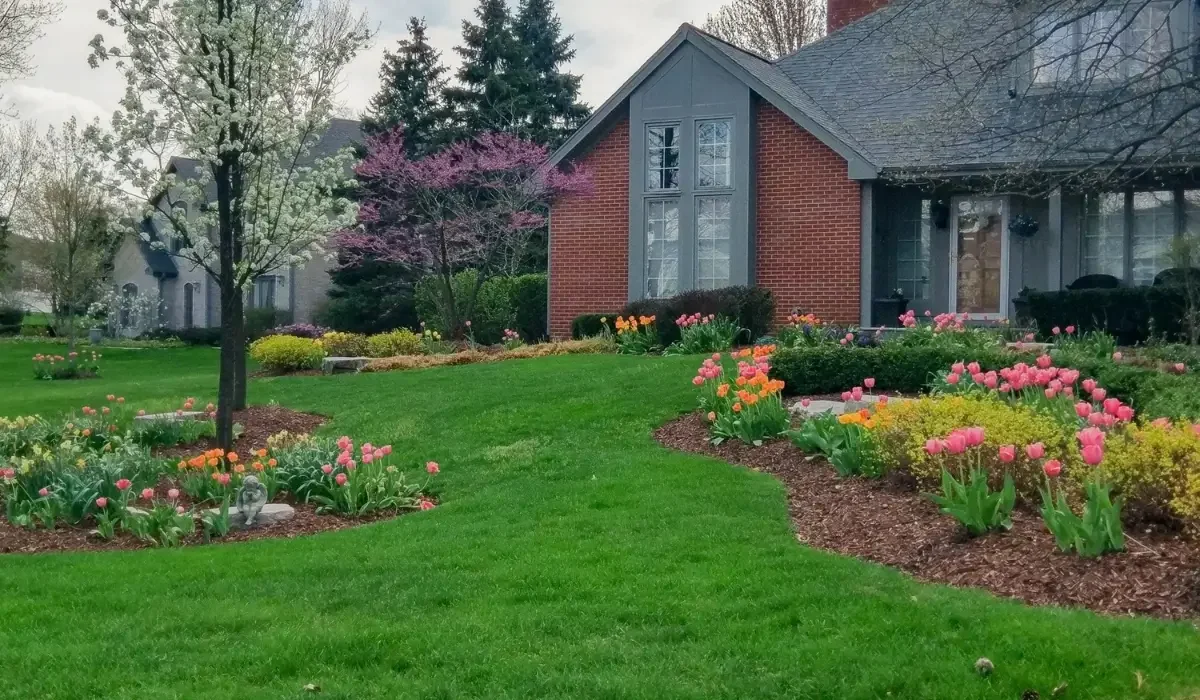
The lawn is often the largest single element in a residential landscape, and its condition sets the tone for everything around it. A lush, well-maintained lawn makes planting beds, hardscapes, and outdoor living features look more polished. A struggling lawn undermines the entire picture regardless of how beautiful the surrounding elements may be.
Core Practices That Sustain a Healthy Lawn
Mowing at the correct height for your grass type is one of the simplest and most consistently overlooked lawn care fundamentals across Homer Glen and the Chicagoland area. Cutting too short stresses grass, promotes weed germination, and leaves the lawn vulnerable during dry periods. Most cool-season grasses, which are common throughout the Chicago suburbs and surrounding communities we serve, perform best when kept at three to four inches.
Watering deeply and infrequently encourages deep root development and produces a more drought-tolerant lawn than frequent shallow watering, particularly important during the hot and dry Illinois summers. Aeration in fall addresses compaction and improves the movement of water, nutrients, and oxygen through the soil profile, a critical step for the heavy clay soils found throughout much of the Chicagoland region. Overseeding after aeration fills in thin areas and keeps the lawn dense enough to crowd out weeds naturally.
For Naperville homeowners, properly disposing of lawn clippings, leaves, and garden debris is also part of good maintenance. The City of Naperville's Yard Waste Collection program provides scheduled curbside pickup for the debris you handle yourself, and for homeowners who prefer to hand off the entire cleanup process, Bret-Mar Landscape, Inc. offers seasonal maintenance services that take care of everything from pruning and bed cleanup to debris removal, so your property always looks its best without the effort.
Related: How Water Features and Pools Transform Outdoor Environments

Hardscape and Outdoor Living Maintenance
For homeowners with patios, walkways, retaining walls, or outdoor kitchens built as part of their landscape design, regular maintenance of these hardscape elements is just as important as caring for the plantings around them.
Keeping Hardscape Looking New
Pavers and natural stone benefit from periodic cleaning to remove organic staining, moss, and debris that accumulates in joints. Polymeric sand in paver joints should be inspected each spring and replenished where it has eroded, as intact joint material prevents weed growth and keeps the surface stable. Outdoor kitchen and fire feature components should be inspected seasonally and covered or protected during periods of non-use.
At Bret-Mar Landscape, we design hardscape features with longevity in mind, selecting materials and construction methods that hold up beautifully with minimal maintenance. But even the finest materials benefit from basic seasonal attention.
When to Call in the Professionals
Some maintenance tasks are genuinely manageable for an engaged homeowner. Others are better handled by professionals with the training, equipment, and plant knowledge to do them correctly. Large tree pruning, structural retaining wall repairs, irrigation system adjustments, and the diagnosis of plant health issues all fall into the category of work where professional expertise pays dividends.
If you are in Homer Glen, Lemont, Orland Park, Frankfort, or any of the other communities we serve across the Midwest and you are ready to take your landscape maintenance to the next level, or if you are considering a refresh or new design altogether, we invite you to reach out to our team at Bret-Mar Landscape. Visit us at www.bretmarlandscape.com to schedule your design consultation and discover what a second-generation, family-owned landscape architecture firm can do for your outdoor space.
