

Hardscaping Essentials: Patios, Walkways, and Retaining Walls Explained
At Bret-Mar Landscape, Inc., we believe a beautiful outdoor space starts with structure. Plants, lawns, and seasonal color bring life to a yard, but hardscaping provides the foundation that makes everything functional and lasting. Custom patios, walkways, and retaining walls shape how you move through and enjoy your property while protecting your landscape investment for years to come.
Whether you are a homeowner in Homer Glen, Orland Park, Naperville, or anywhere across the Midwest, understanding how hardscape elements work together is the first step toward creating an outdoor living space that is as practical as it is beautiful. Below we break down what each element does, why it matters, and how thoughtful design by a licensed landscape architect turns them into a seamless, high-value outdoor environment.
Understanding Hardscaping in Landscape Design
Hardscaping refers to the permanent, non-plant structural features in a landscape design. These elements guide traffic flow, prevent soil erosion, and create functional outdoor living spaces that extend the usable square footage of your home. When designed correctly by an experienced landscape architecture team, hardscape features feel like a natural extension of the property rather than an afterthought, complementing the architecture of the home and increasing its overall curb appeal and resale value.
Why Hardscaping Comes First
At Bret-Mar Landscape, Inc., every hardscape project in Homer Glen, Orland Park, and throughout the Chicagoland area begins with grade, drainage, and layout planning. Without proper site preparation, even the most beautiful pavers, natural stone, or custom stonework will shift, crack, or settle over time. A stable compacted base, correct slope gradient, and a comprehensive water management plan are the foundations of hardscape installations that remain safe, level, and visually stunning for decades.
How Hardscape Improves Property Value
A professionally installed outdoor structure can significantly improve usability and curb appeal. Functional outdoor living areas often become the most used part of the home during warmer months, effectively expanding square footage without construction.
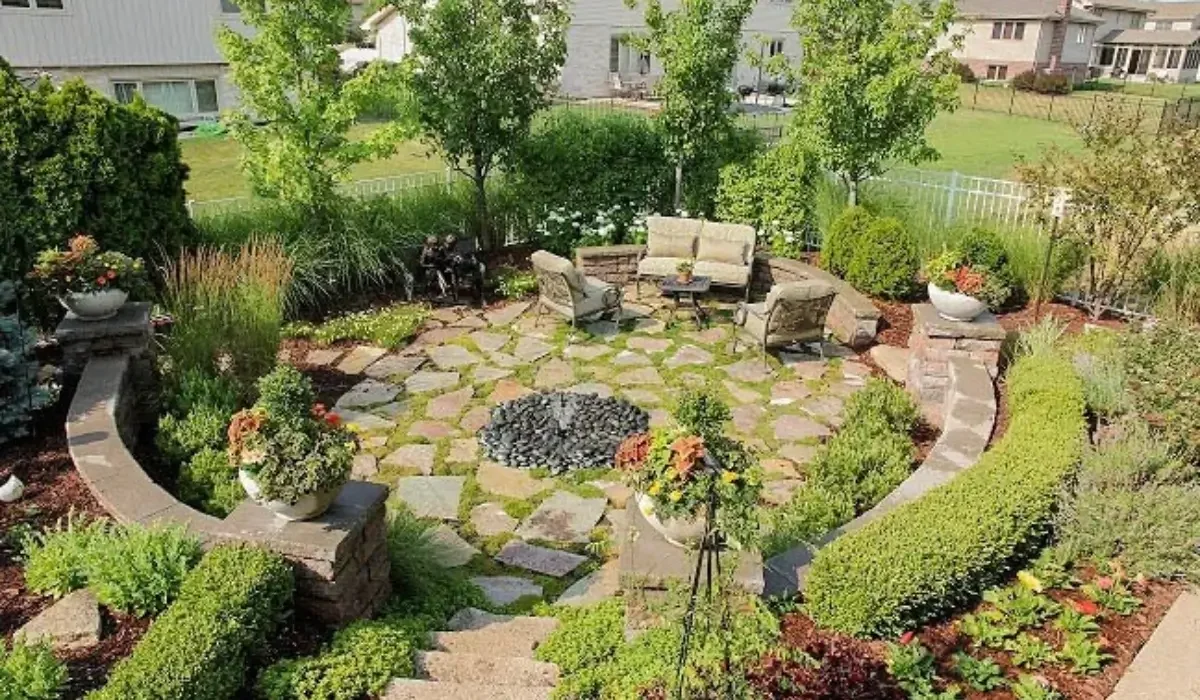
Patios: Creating Outdoor Living Spaces
A patio is the heart of outdoor living. It serves as the gathering place for family dinners, entertaining, and relaxation.
Choosing the Right Patio Material
Different materials create different experiences. We help homeowners select based on style, maintenance expectations, and budget.
Paver Patios
Pavers offer versatility in color, shape, and pattern. They resist cracking and allow easy repairs if needed. This is one of the most popular choices for Midwest homeowners because it handles the freeze-thaw cycles and harsh Illinois winters exceptionally well.
Natural Stone Patios
Natural stone delivers a timeless appearance. Each piece is unique which creates a high end look that blends with surrounding plantings and architecture.
Concrete Surfaces
Modern concrete can be textured or colored to mimic stone while remaining cost effective. It is ideal for clean contemporary designs.
Designing for Comfort and Function
We consider furniture layout, sun exposure, and access to doors or kitchens. A well planned patio includes enough circulation space so it feels open rather than crowded.
We consider furniture layout, sun exposure, and access to doors or kitchens. A well planned patio includes enough circulation space so it feels open rather than crowded.
Homeowners in Naperville should also note that the City of Naperville requires a permit before beginning patio construction, another reason working with an experienced local landscape architect from the start can save you time and costly surprises.
Related: How to Maintain Patios, Walkways, and Driveways for Long-Term Durability

Walkways: Guiding Movement Through the Landscape
Walkways connect areas of the property and influence how people experience the yard.
Safety and Flow
Properly placed walkways prevent worn grass paths and muddy areas. They provide stable footing and encourage guests to naturally move through the landscape.
Material Options for Walkways
Stepping stone paths for garden settings
Paver walkways for clean structure
Gravel paths for informal landscapes
Each option changes the visual pace of a yard. A curved path feels relaxed while a straight walkway feels formal.
Integrating Lighting
Low voltage lighting improves nighttime visibility and adds ambiance. It also highlights planting beds and architectural features.
Related: Creating Seamless Transitions Between Hardscaping and Softscaping

Retaining Walls: Support and Protection
Retaining walls solve elevation challenges while adding dimension to the yard. In many Midwest properties, slopes and drainage require structural support to manage the heavy rainfall and spring snowmelt common across Illinois and the surrounding region.
Preventing Erosion and Water Issues
Retaining walls hold soil in place and direct water safely away from foundations and patios. Without proper engineering, slopes can shift and damage landscaping.
Types of Retaining Walls
Structural Block Walls
These are engineered for strength and longevity. They are ideal for supporting heavy soil loads and creating level areas.
Natural Stone Walls
Stone walls create a softer, organic appearance. They work beautifully in gardens and blend into natural surroundings.
Terraced Walls
Instead of one tall wall, terraces divide slopes into smaller levels. This adds planting space and visual interest.
Bringing It All Together
The best landscapes combine patios, walkways, and retaining walls into one cohesive plan. Each feature should feel connected rather than separate. At BretMar Landscape, we design outdoor environments where structure supports beauty and beauty supports everyday living.
A thoughtful hardscape does more than decorate a yard. It organizes space, protects the property, and invites people outside. When done right, it becomes the backbone of a landscape that looks great in every season and functions for years to come.
